Lagos is surrounded by water. From the Atlantic Ocean to lagoons, creeks, and reclaimed land, moisture is part of everyday life. This proximity combined with a consistently high water table combine to accelerate chloride-induced corrosion of reinforced concrete, exposing buildings to a serious durability threat: concrete cancer.
This phenomenon, concrete cancer, is increasingly observed in buildings across Ikoyi, Victoria Island, Lekki, Eko Atlantic, Ajah, and developments along the New Coastal Road corridor.
These locations experience constant exposure to salty Atlantic air, making waterproofing and durability planning non-negotiable.
What Is Concrete Cancer?
Concrete cancer occurs when reinforcing steel inside concrete begins to corrode. As steel rusts, it expands, creating internal pressure that causes the surrounding concrete to crack, delaminate, and eventually spall.
Once cracks form, moisture and chlorides penetrate deeper, accelerating the corrosion cycle. Without intervention, the structural capacity of the building continues to decline.
Concrete cancer is not a sudden failure. It is a slow, progressive deterioration that weakens structural elements, compromises safety, and leads to expensive repairs if left untreated.
How Salty Atlantic Air Attacks Concrete in Lagos
In Lagos, deterioration typically happens through the following mechanisms:
1. Chloride Penetration from Sea Spray
Salt particles carried by coastal air settle on concrete surfaces and migrate inward with moisture.
2. Constant Moisture Exposure
High humidity and poor drainage keep concrete damp, allowing corrosion to continue even during dry seasons.
3. Carbonation
Carbon dioxide reduces concrete alkalinity, removing the natural protection of reinforcement steel.
4. Cracks and Construction Joints
Thermal movement, settlement, and workmanship issues create pathways for water and salt ingress.
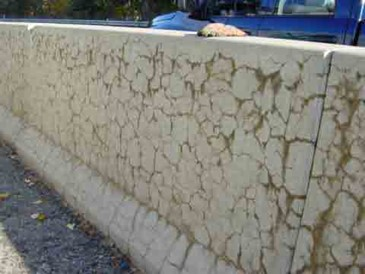
Early Warning Signs of Concrete Cancer
Recognizing early symptoms can save significant repair costs:
- Rust stains on concrete surfaces
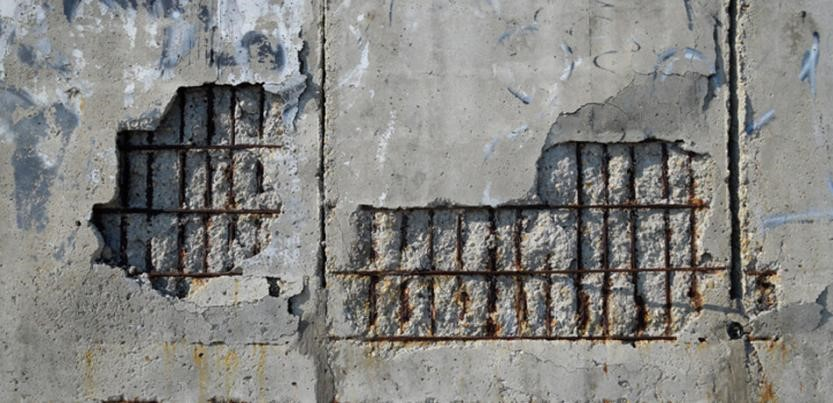
- Cracking or flaking concrete
- Bulging or delaminated concrete cover
- Exposed reinforcement bars
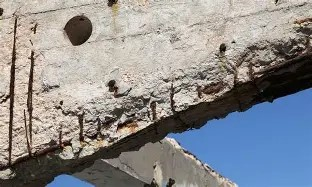
- Water leakage through slabs, beams, or walls
These signs indicate that corrosion is already active beneath the surface.
Mechanism of Concrete Cancer (Technical Breakdown)
1 Chloride Ingress
Chloride ions penetrate concrete through:
- Capillary absorptio
- Diffusion
- Cracks and construction joints
Once chloride concentration at the reinforcement level exceeds the threshold, the passive oxide layer protecting the steel breaks down.
2 Corrosion of Reinforcement
In the presence of oxygen and moisture, steel corrosion initiates. The corrosion products occupy a larger volume than the original steel, generating expansive stresses.

3 Cracking and Spalling
These stresses exceed the tensile capacity of concrete, leading to:
- Longitudinal cracking along reinforcement
- Delamination
- Spalling of concrete cover
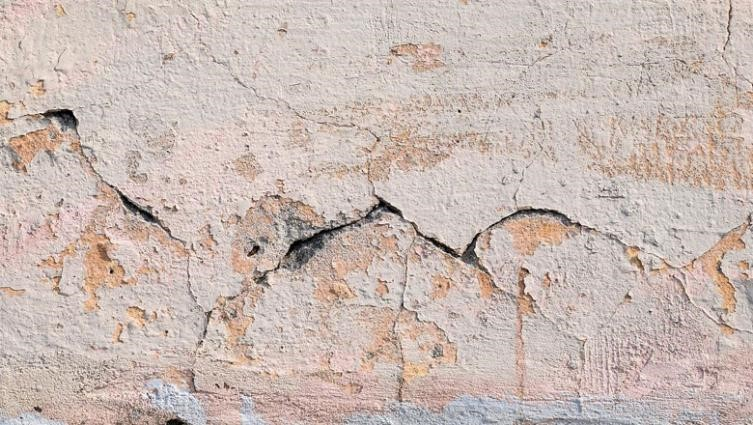
At this stage, structural durability is already compromised.
Effective Waterproofing & Protection Strategies for Lagos Structures
1. Integral Waterproofing for New Construction
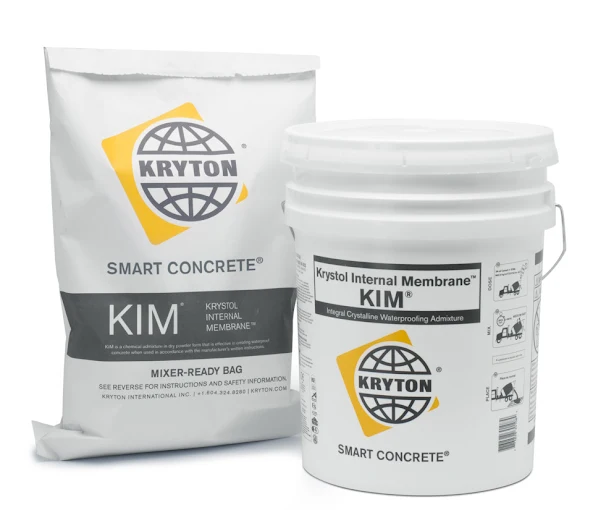
For coastal and lagoon-side developments, integral crystalline waterproofing admixture such as KIM (Krystol Internal Membrane) should be used at the concrete mixing stage.
From a technical standpoint, KIM:
- Reacts with water and cement by-products
- Forms insoluble crystalline structures
- Blocks capillary pores and micro-cracks permanently
- Self-seals cracks up to specified widths when moisture is present
Unlike membranes, protection is within the concrete, not dependent on surface integrity.
Applications where KIM waterproofing Admixture is Critical
- Basements and foundation slabs
- Roof slabs and terrace decks
- Balconies and podium slabs
- Water-retaining or water-exposed structures
- Coastal and reclaimed land developments
These elements are consistently exposed to moisture and chlorides in Lagos conditions.
Read more on KIM Integral Waterproofing on our website concreteng.com
2. Concrete Repair for Existing Buildings
For affected structures:
- Remove contaminated concrete
- Treat and protect corroded reinforcement
- Restore using compatible repair systems
- Apply protective waterproofing layers
3. Cementitious and Liquid-Applied Waterproofing
These systems protect exposed slabs, terraces, and facades from further water and chloride ingress when applied correctly.
Why Areas Around the New Coastal Road Need Extra Attention
Developments around the New Coastal Road are located on reclaimed or water-adjacent land with:
- High salt exposure (roof slabs, balconies, basements)
- Aggressive groundwater conditions
- Long-term durability demands
For such developments, integral waterproofing should be treated as a durability requirement, addressed from the design stage.
Call to Action
If your building is located in a coastal or high-humidity environment and shows signs of concrete deterioration, Concrete Logistics Limited provides expert assessment, waterproofing, and concrete repair solutions tailored for Nigerian conditions.
Visit: www.concreteng.com
Contact us on 0908 674 4444, 0809 896 1008 for inspection and technical guidance.