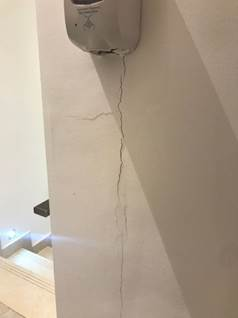
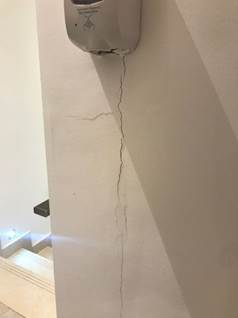
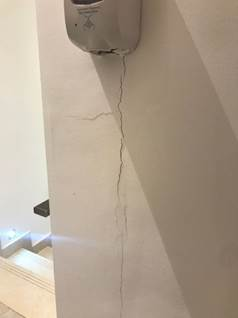
Concrete is one of the strongest building materials, but did you know it absorbs water like a sponge?
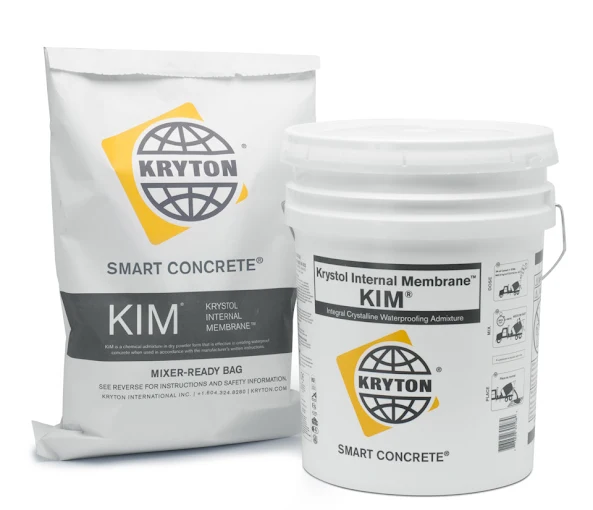
Over time, this water can cause cracks, leaks, and structural damage. That’s where Krystol Internal Membrane (KIM) comes in—a special waterproofing solution that makes concrete waterproof from the inside out. KIM revolutionizes concrete waterproofing by integrating protection directly into the concrete mix.
Unlike traditional waterproofing methods like nylon Damp Proof Membranes (DPM), which only act as a temporary moisture barrier, KIM integrates directly into the concrete and forms insoluble crystals that block water pathways and self-seal small cracks over time. This means that while nylon membranes can tear, degrade, or be punctured, KIM provides lifetime waterproofing without the need for external layers or ongoing maintenance. By making the entire concrete structure inherently resistant to water, KIM ensures stronger, more durable, and leak-free buildings
Whether you’re building a home, basement, pool, foundation, bridge, or water tank, KIM helps keep water out and makes concrete last longer with less maintenance.
What is KIM?
Krystol Internal Membrane (KIM) is a hydrophilic crystalline admixture that is used to create permanently waterproof concrete.
KIM lowers the permeability of concrete and is used in place of externally applied
waterproofing membranes. By stopping the transmission of water through concrete, KIM
adds durability and longevity to concrete by protecting it against chemical attack and
corrosion of reinforcing steel.
Unlike surface-applied waterproofing products, KIM becomes a permanent part of the concrete, eliminating the risk of membrane failure.
How Does KIM Work?
KIM contains Krystol® technology, which consists of specialized chemicals that react with water and unhydrated cement particles to form insoluble needle-like crystals. These crystals grow within the concrete’s capillaries and micro-cracks, blocking water penetration permanently.
Even if cracks form later due to minor structural movements, KIM’s self-sealing properties allow it to reactivate and seal the cracks when exposed to moisture.
Advantages of Using KIM
1. Permanent Waterproofing
Unlike membranes that can wear out, KIM provides lifetime protection by integrating into the concrete.
2. Self-Sealing Ability
KIM reactivates when exposed to moisture, sealing cracks up to 0.5mm wide, reducing maintenance costs.
3. Reduces Construction Costs
No need for external membranes, saving on labor, material, and installation time.
4. Increases Durability
Prevents corrosion of reinforcement, freeze-thaw damage, and chemical attack, significantly extending the structure’s lifespan.
5. Improves Sustainability
KIM is a green building product, reducing environmental impact by eliminating the need for petroleum-based waterproofing membranes, NSF 61-certified for potable water applications
Applications of KIM
KIM is ideal for waterproofing and durability enhancement in:
Foundation Slabs & Basement – Prevents water ingress from groundwater pressure.
Marine & Coastal Structures – Resists saltwater and chemical exposure.
High-Rise Buildings – Waterproof Below-Grade structures, pile caps and ground foundation slabs.
Water Containment & Treatment Plants – Ideal for reservoirs, dams, and pools.
Comparison: KIM vs. Traditional Waterproofing Methods
Feature
KIM (Integral Waterproofing)
External Membranes
Durability
Permanent, self-sealing
Prone to wear and tear
Crack Sealing
Self-sealing up to 0.5mm
Requires repairs
Installation Cost
Lower (no membranes needed)
High (labor & materials)
Maintenance
Minimal to none
Frequent replacements
Environmental Impact
Eco-friendly, NSF 61-certified for portable water applications
Uses petroleum-based materials
Conclusion
Krystol Internal Membrane (KIM) is a game-changer in waterproofing technology. By transforming concrete into a self-sealing waterproof barrier, it eliminates the need for traditional membranes, reducing costs, increasing durability, and ensuring long-term protection.
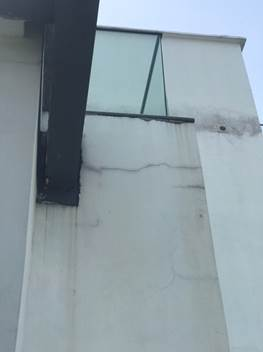
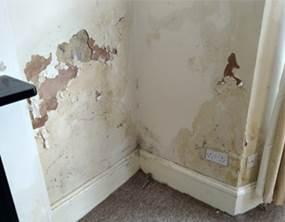
If you’ve already done waterproofing and your building is still leaking, you’re not alone—and it’s frustrating. You expected dry walls, dry roof slabs and peace of mind, but instead, you’re dealing with leakages, damp patches on walls, musty smells, or worse, actual water damage.
Some Categories of Waterproofing Failures
1. Walls Waterproofing Failures
Includes:
Basement Walls (below-grade)
Exterior Walls
Bathroom Walls
– Cause: Incorrect application of membranes, poor surface preparation, failure to seal joints and cracks, or the use of unsuitable products.
– Result: Water infiltration through the wall due to cracks or gaps in the waterproofing system.
– Symptoms: Damp patches on walls, peeling paint, mold growth, discoloration, and structural damage.
– Common Solutions: Use of high-quality membranes or surface applied crystalline waterproofing admixture (application of Krystol T1 or KMA(Krystol Mortar Admixture) from Concrete Logistics Ltd), proper joint sealing, and surface preparation before application.
Foundation Waterproofing Failures
Includes:
Foundation Walls
Concrete Slabs (underneath the foundation)
Damp-Proof Membranes (DPM)
Cause: Lack of or improper application of damp-proofing or waterproofing layers, failure to address groundwater pressure, or inadequate surface prep.
Result: Moisture rising from the ground or seeping through the foundation, leading to dampness in lower levels, basements, or floors.
Symptoms: Rising damp, visible water stains on floors or walls, and mold growth.
Common Solutions: Installation of membrane systems, and a proper dewatering system.
3. Concrete Roof Slab Waterproofing Failures
This includes:
Roof Gutter
Terraces
Roof Decks, Balcony & Patio
Cause: Insufficient sealing around joints and penetrations, Improper or worn-out membrane installation, poor drainage slope, inadequate surface preparation .
Result: Water infiltration into the structure beneath the slab, Leaks or moisture infiltration into the building.
Symptoms: Leaking ceilings, water stains on the ceiling, pooling of water on the roof, visible cracking or deterioration of the surface.
Common Solutions: Repair & restoration by using our repair systems including surface applied crystalline waterproofing and proper drainage installation
4. Swimming Pool Waterproofing Failures
Cause: Inadequate bonding of waterproofing membranes, poor pressure testing, or cracking due to ground movement or structural issues.
Result: Water leaks from the pool, causing water loss and potentially damage to surrounding structures.
Symptoms: Visible cracks, wet patches outside the pool, rapid water loss, and pooling water.
Common Solutions: Use of pool-grade membranes, regular inspections, and crack injection methods.
5. Wet Areas (Bathrooms, Kitchens, Showers) Waterproofing Failures
Includes:
Bathrooms (showers, wet floors)
Kitchens (wet areas near sinks)
Shower Floors and Walls
Cause: Failure to apply waterproofing materials before tiling, improper sealing of edges, or water pooling due to poor drainage.
Result: Moisture penetration behind tiles or fixtures, leading to water damage, mold, and structural decay.
Symptoms: Moldy walls, loose tiles, water stains on the ceiling below, visible leaks.
Common Solutions: Use of liquid membranes, cementitious waterproofing, and proper sealing of joints
So what went wrong? Let’s break down the most common reasons buildings still leak after ‘waterproofing’ and what you can do differently moving forward.
1. Poor Workmanship
Many times, the problem isn’t the waterproofing product—it’s how it was applied. Waterproofing requires precision, surface preparation, and attention to detail. If it was rushed, skipped in places, or done without proper tools, water will always find its way in.
Quick Tip: Waterproofing is not just paint. It’s a system that must be applied correctly to work.
2. Wrong Product for the Problem
Not all waterproofing materials are created equal. Using surface coatings where integral waterproofing is needed (like for below-ground work) often leads to failure. For example, paints or bitumen might look fine at first, but they peel or crack under pressure over time.
3. Absence of Dewatering and Groundwater Control
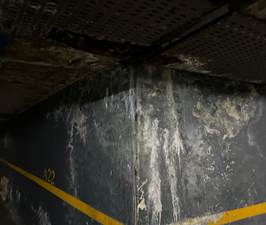
If your building is below ground (basement, underground car park, etc.), waterproofing alone might not be enough. You also need dewatering—that’s the process of managing or removing water from the soil or foundation area. Without this, pressure builds up and forces water through any weak points.
4. No Waterproofing at the Right Stage
Waterproofing should ideally be planned before the structure is fully built. Many clients only think of it after they see leaks, but by then, it’s harder (and more expensive) to fix. That said, it’s never too late—there are still solutions surface-applied admixtures that can help)
High Water Tables
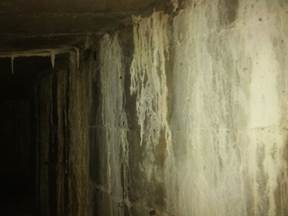
When a building is constructed in an area with a high water table and proper dewatering or waterproofing systems aren’t installed, groundwater exerts pressure against the foundation. Over time, this hydrostatic pressure forces water through cracks or weak spots in the concrete, especially if the waterproofing layer was poorly applied or missing entirely.
The result? Persistent leaks, rising damp, and even structural damage.
Case Study
Concrete Logistics Limited was called to repair and waterproof the roof slab of an office complex. Despite the initial application of a Bituminous Felt Membrane, the concrete slab experienced significant leakage, particularly affecting the penthouse floor where the Board Room and Top Management offices were located.
Solution Implemented:
Removal of Existing Materials: The team began by removing the existing tiles and the damaged felt membrane to expose the concrete slab.
Surface Preparation: Specialized surface preparations were conducted to ensure optimal adhesion of the new waterproofing materials.
Application of Waterproofing Systems: The exposed concrete surface was treated with the Krystol T1/T2 waterproofing system.
Crack and Joint Treatment: All joints and cracks were addressed using the Krystol Crack/Joint Repair System to ensure comprehensive waterproofing.
Pipe Penetration Sealing: The Krystol Pipe Penetration System was employed to seal areas where pipes penetrated the slab, preventing potential leakage points.
This comprehensive approach provided a permanent waterproofing solution, effectively resolving the leakage issues and protecting the integrity of the office complex’s roof slab
Comparing Waterproofing Methods
Here’s how common waterproofing types compare so you understand why some fail:
Waterproofing Type
Where It’s Used
Common Issues
Long-Term Performance
Bitumen coating
External walls, low budgets
Peels, cracks
Medium
Waterproofing paint
Bathrooms, walls
Cosmetic, short-term
Low
Crystalline (e.g., KIM)
Concrete structures, below grade
Needs expert install
High
Sheet Membranes
Roof decks, wet areas
Seams can fail
Medium
Common Mistakes Builders/Homeowners Make
– Skipping surface preparation – Thinking paint = waterproofing – Not checking for water pressure buildup – Hiring non-specialists for cost-saving
What You Can Do Now
If you’ve already done waterproofing and it failed, don’t panic. The key is to: – Inspect and diagnose the actual source of the leak (Concrete Logistics Ltd can help) – Choose the right waterproofing system for your specific structure – Work with professionals who understand both above and below grade waterproofing systems
Repair & Restoration of Damaged Concrete Structures
We’ve established that various factors, including poor waterproofing, can damage concrete structures. Fortunately, these structures can be restored. At this point, integral waterproofing may no longer be an option for an existing structure. This is where repair and maintenance come in.
To address water damage, various waterproofing system can be used effectively to restore the integrity of the structure, depending on the type of damage
At Concrete Logistics Ltd, we offer a range of tailored repair systems designed to suit different types of concrete damage, ensuring long-lasting results and protection. Some of our repair systems include:
– Surface-applied crystalline admixture
– Pipe Penetration System
– Joints and Cracks Repair System
– Plug and Grout Repair System
Need Help?
We’ve helped homeowners, facility managers, and contractors across Lagos fix failed waterproofing in critical commercial, residential, industrial and institutional structures. If your building is still leaking, we’ll help you assess the issue and recommend the right solution—no guesswork.
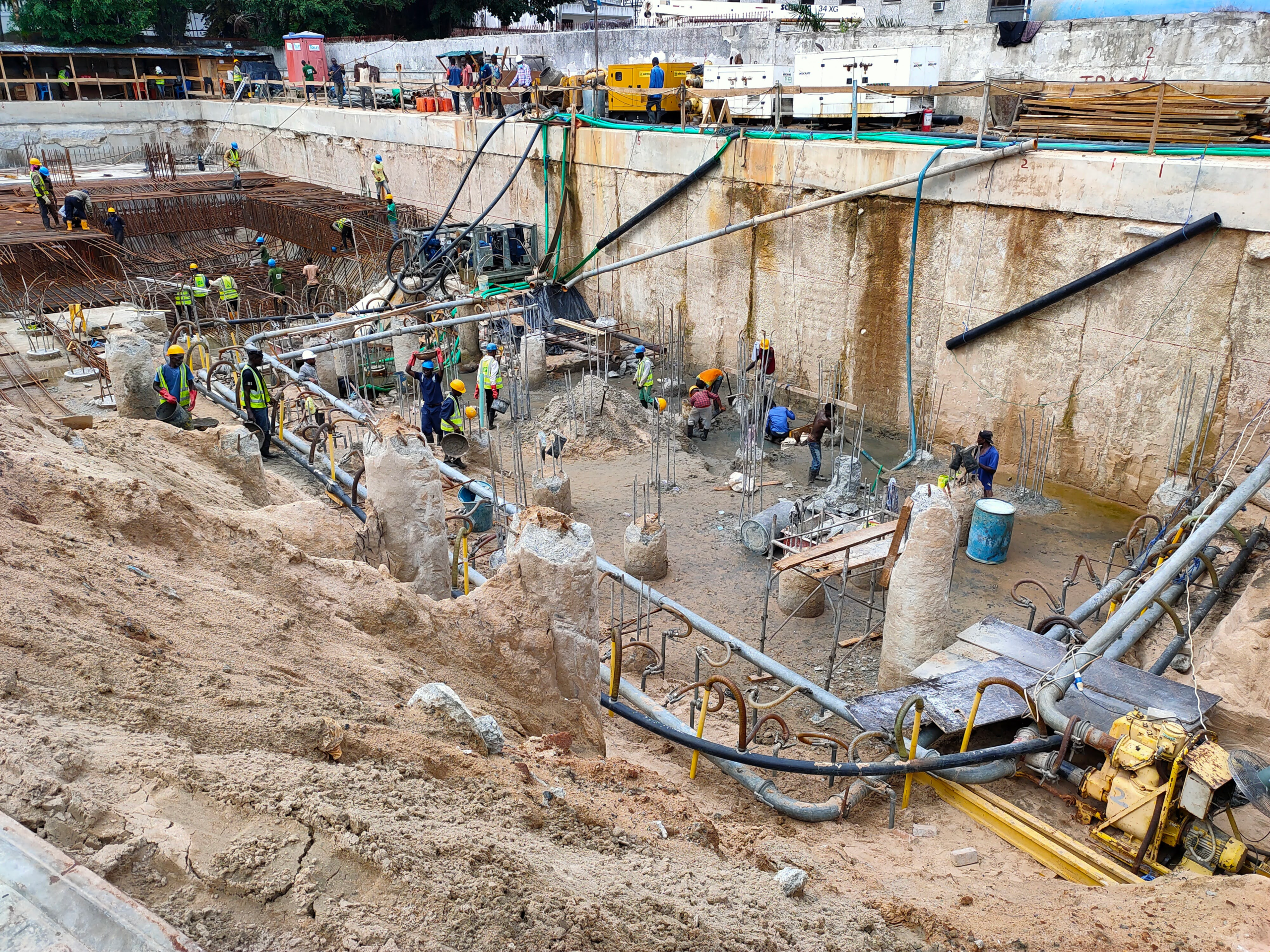
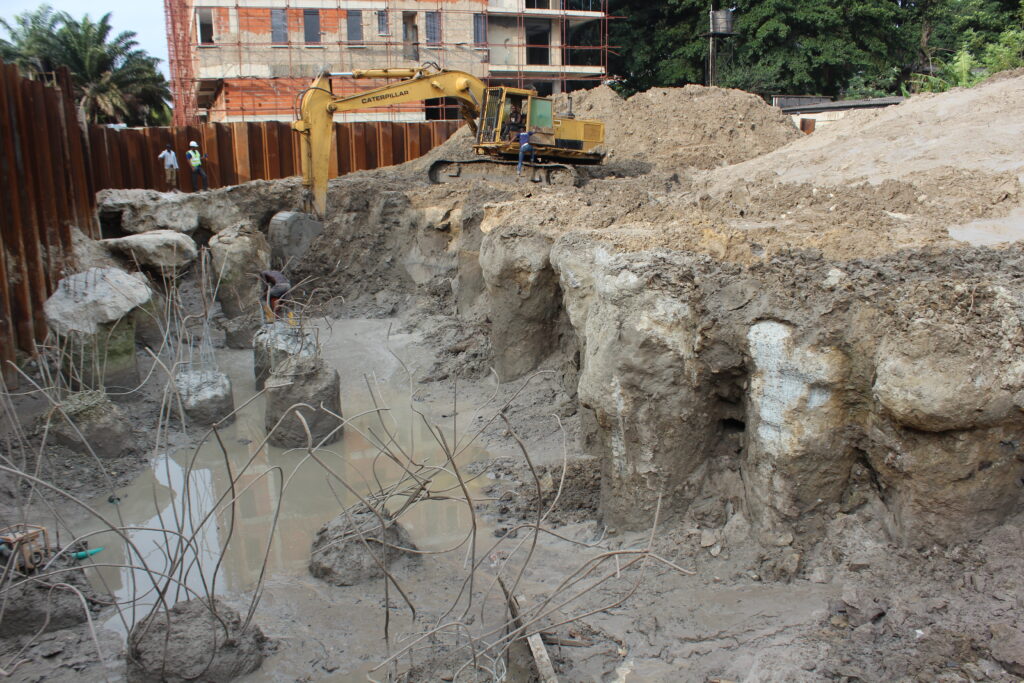
When starting a construction project, especially one involving basements or deep foundations, managing water is critical. If not handled properly, excess water can delay progress, weaken the foundation, and lead to expensive repairs in the future.
This is where our Below Grade Construction Service comes in—a seamless solution that combines Dewatering and Krystol Internal Membrane (KIM) Waterproofing to ensure a dry, durable, and leak-proof foundation right from the start.
Why Is This Important?
Many construction professionals treat dewatering and waterproofing as separate services, hiring different contractors for each. However, this approach often leads to:
❌ Project delays due to poor coordination between teams.
❌ Higher costs from managing multiple service providers.
❌ Water infiltration issues when waterproofing isn’t applied immediately after dewatering.
With Below Grade Construction Service, you get a fully integrated, one-time solution that guarantees a strong, waterproof foundation from day one—without the hassle.
How It Works: The Two-Step Process for a Perfect Foundation
1️ Dewatering: We remove excess groundwater, creating stable, dry soil for excavation and foundation work.
2️ KIM Waterproofing: We integrate Krystol Internal Membrane (KIM) directly into your concrete mix. Unlike surface waterproofing that can wear out or get damaged over time, KIM turns your entire concrete structure into a self-sealing, waterproof barrier. This means:
No leaks, no water damage—for the lifetime of the building.
No extra layers needed—waterproofing is built into the concrete itself.
Automatically seals cracks—if tiny cracks form, KIM reacts with water to close them up.
With this powerful two-in-one service, water-related foundation problems are eliminated before they even start.*